World Mental Health Day 2026: Amplifying Lived Experiences to Drive Real Change
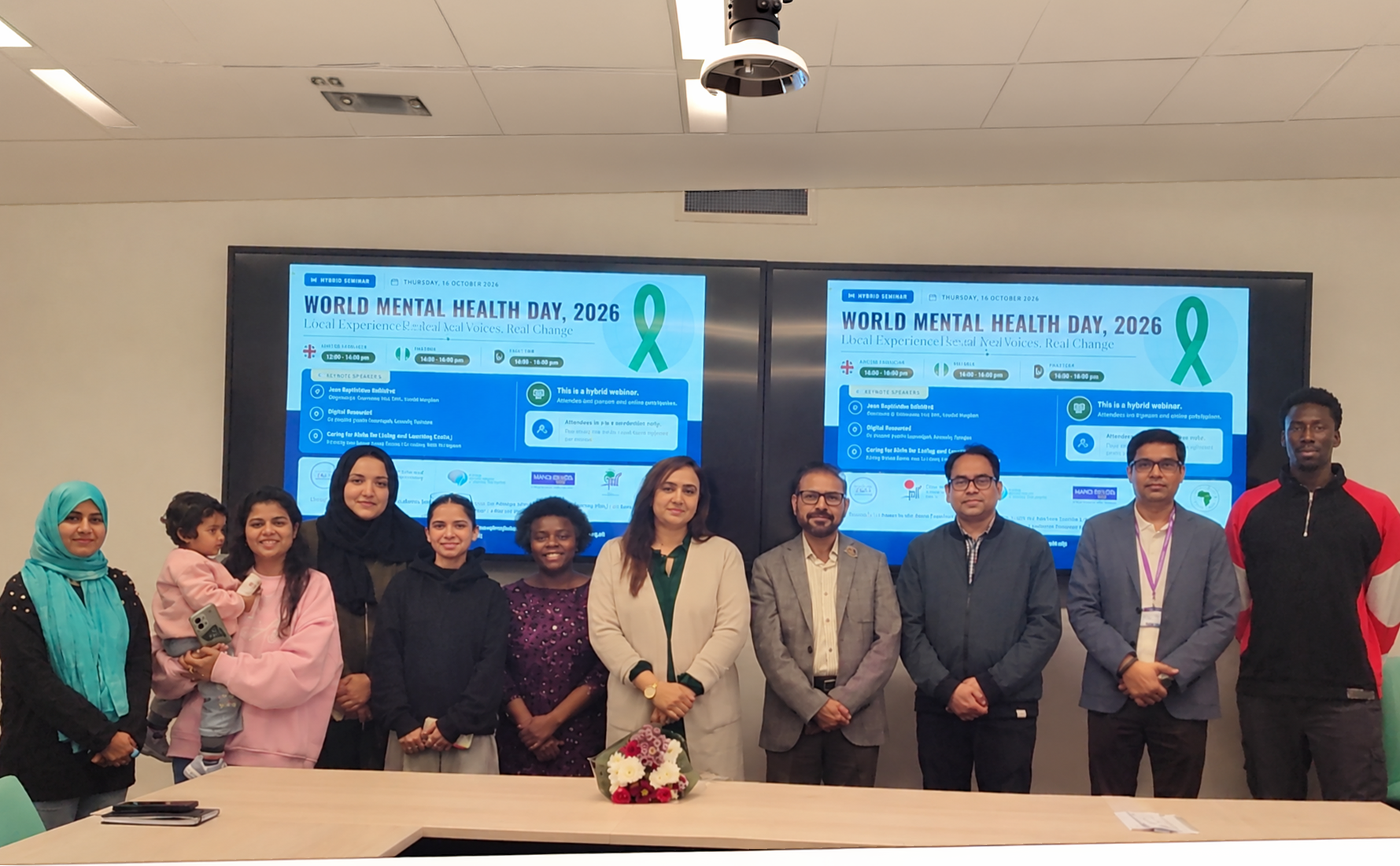
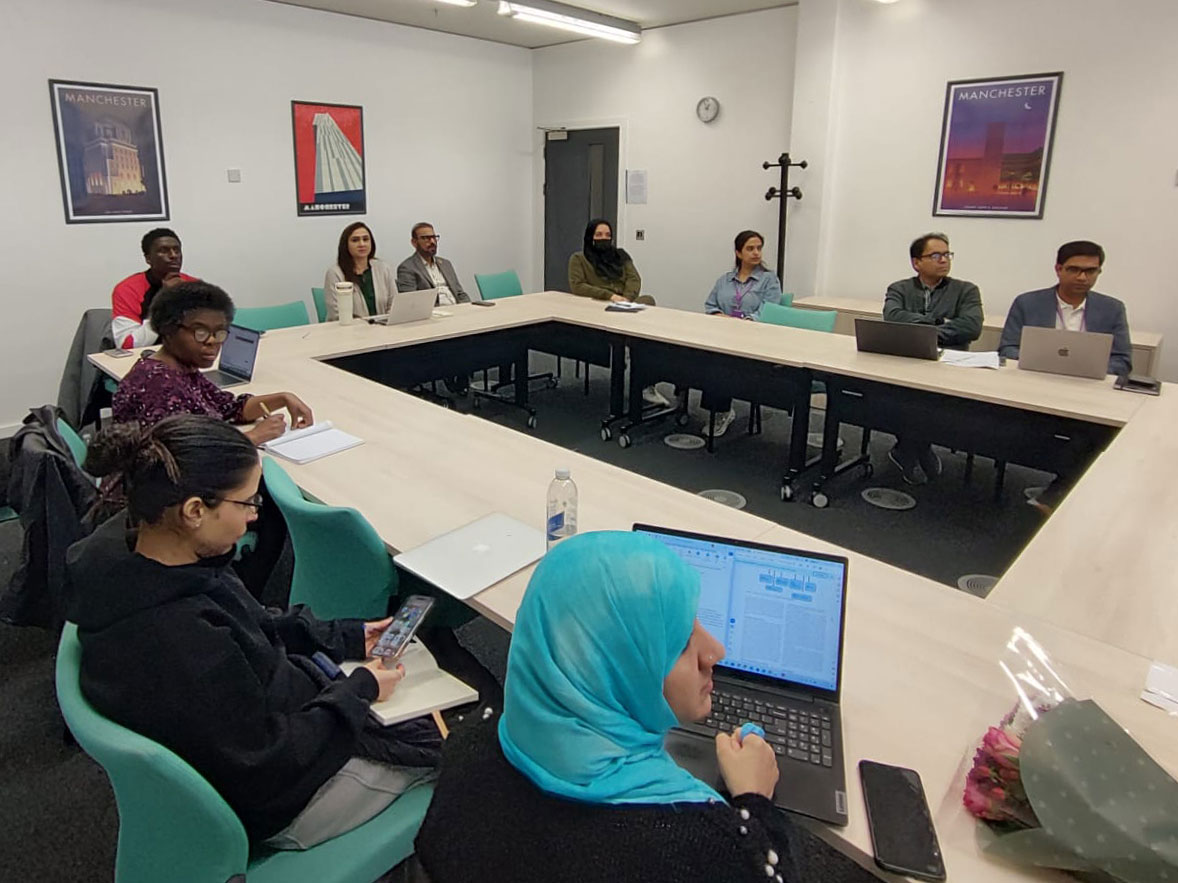
Mental health care must do more than treat—it must listen, understand and respond. Bringing this message to the forefront, the Global Mental Health and Cultural Psychiatry (GMHCP) Research Group hosted an international webinar on 15 October 2026 under the theme “Lived Experiences Heard: Real Voices, Real Change,” bringing together experts from the United Kingdom and Pakistan to explore how lived experiences, research and evidence-informed action can drive more inclusive and effective mental health support.
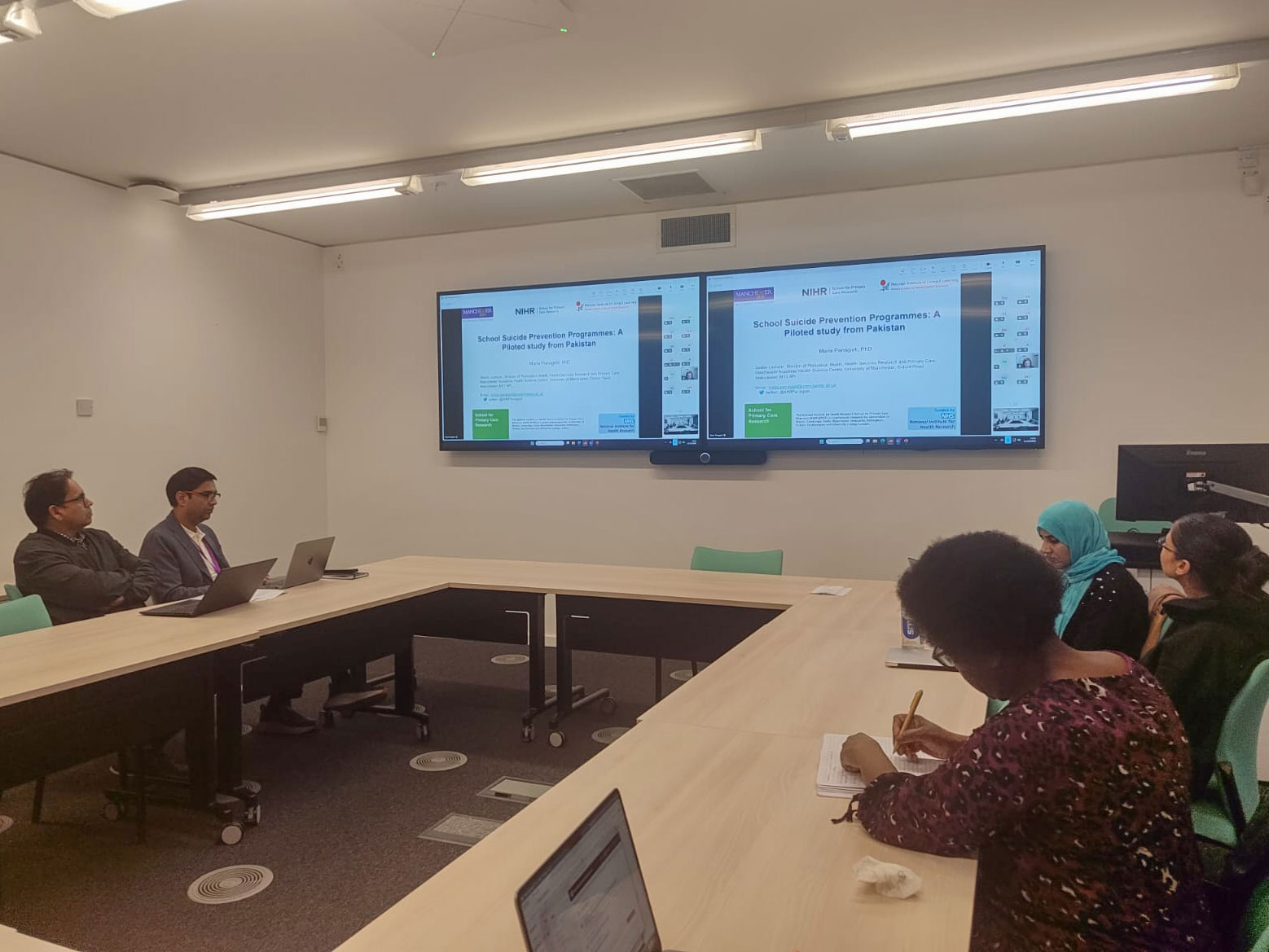
The webinar addressed critical issues, including the psychological impact of cancer, mental health support throughout the breast cancer journey, preventative approaches in schools, the mental health needs of ethnic minority men affected by gender-based violence, and school-based suicide prevention in Pakistan. Discussions highlighted the importance of early intervention, community engagement and culturally responsive care.
Chaired by Professor Aneela Maqsood (Manchester Global Foundation), the event featured contributions from Dr Ahlam Tariq and Dr Tayyaba Kiran of the Pakistan Institute of Living and Learning; Professor Chathurika Kannangara of the University of Greater Manchester; Dr Tarela Ike of Teesside University; and Professor Maria Panagioti of the University of Manchester. Dr Rakhshi Memon, Research Fellow at University College London and and Executive Trustee of the Manchester Global Foundation, delivered the closing remarks.
Through expert presentations and interactive question-and-answer sessions, the webinar emphasised that effective mental health support must be grounded in both robust research and an understanding of people’s lived realities. The discussions underscored the need to challenge stigma, address barriers to support and develop accessible, person-centred approaches that recognise diverse social and cultural contexts.
The discussions underscored one urgent message: mental health support must reach beyond awareness to deliver timely, inclusive and culturally responsive action. Collaboration across healthcare, education, research and communities is essential to prevent distress, reduce barriers to support and improve mental health outcomes. The priority now is to turn these insights into lasting action and ensure support reaches those who need it most.
The GMHCP Research Group expressed its sincere appreciation to all speakers, participants and organisers for their contributions to this important exchange of knowledge and perspectives.